
Bridging Generational Differences through Workplace Environment
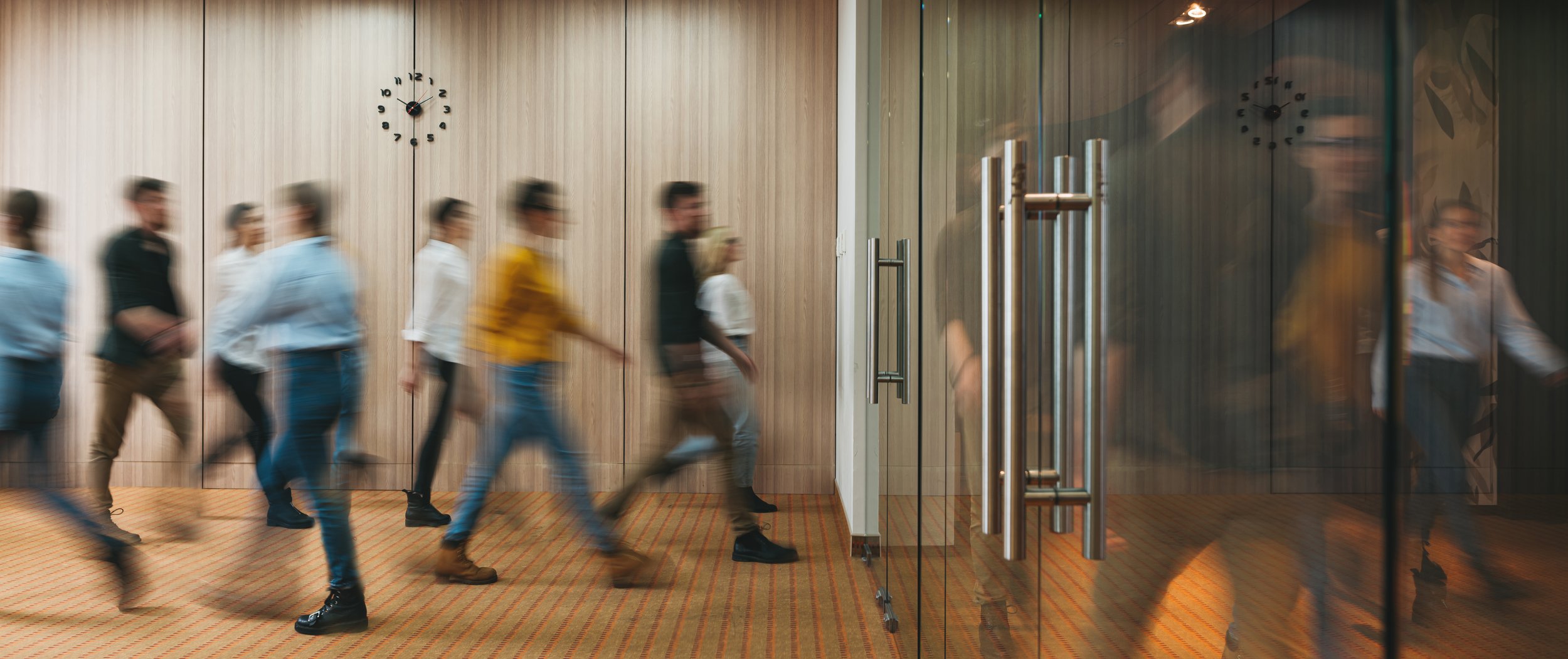
Today’s workplaces are more generationally diverse than ever before. For the first time in history, four generations, Baby Boomers, Gen X, Millennials, and Gen Z, are sharing the same office floors. Each group has been shaped by vastly different economic, technological, and cultural contexts, influencing how they communicate, collaborate, and define productivity.
The result? A dynamic mix of expectations that can sometimes create friction. Yet research increasingly suggests that one of the most effective ways to bridge these differences is not through policy or leadership alone, it is through the design of the workplace itself. Thoughtful spaces can help harmonise different work styles and foster collaboration, creativity, and connection across generations.
Understanding the Divide
Generational differences often emerge in work style and communication.
Baby Boomers and Gen X tend to prefer structured environments, face-to-face communication, and clear hierarchies
Millennials and Gen Z favour flexibility, digital collaboration, and spaces that support creativity and wellbeing
Despite these differences, there are striking commonalities. Across age groups, workers increasingly value environments that offer flexibility in how and where they work, encourage authentic social connection, and align with a broader sense of purpose and wellbeing. The challenge is creating spaces that meet these shared needs while still allowing each generation to thrive.
The Role of the Physical Environment
The design of the workplace plays a powerful role in shaping behaviour and fostering connection. When employees have variety and choice in where and how they work, potential friction between different work styles is reduced. Providing quiet zones for deep focus alongside vibrant social spaces allows employees to select the environment that best supports their work at any given time.
Other key factors that support a harmonious multi-generational workplace include
Acoustics: Older employees are often more sensitive to background noise, while younger workers may thrive in energetic spaces. Strategic acoustic zoning and materials help balance these needs
Lighting and Air Quality: Natural light and good ventilation improve wellbeing for all employees, supporting cognitive performance and reducing stress
Technology Integration: Seamless and intuitive technology ensures all employees, regardless of digital fluency, can work effectively and comfortably
Ergonomic and Inclusive Design: Adjustable furniture, accessible layouts, and sensory-aware spaces cater to different ages, abilities, and neurotypes, ensuring comfort and dignity for everyone
These strategies create equity through adaptability rather than favouring one generation over another.
Where Connection Happens
Generational differences are not only about preferences, but they are also about perspective. Experienced employees bring institutional knowledge and long-term thinking, while younger employees contribute fresh ideas and digital fluency. The most effective workplaces blend these strengths by designing for interaction and proximity.
Placing quiet workstations near social hubs, creating central cafés, and incorporating informal lounges or shared kitchens encourages spontaneous collaboration and mentoring. These spaces foster connections that might never occur in isolated or strictly segmented environments, helping to break down hierarchical and generational barriers
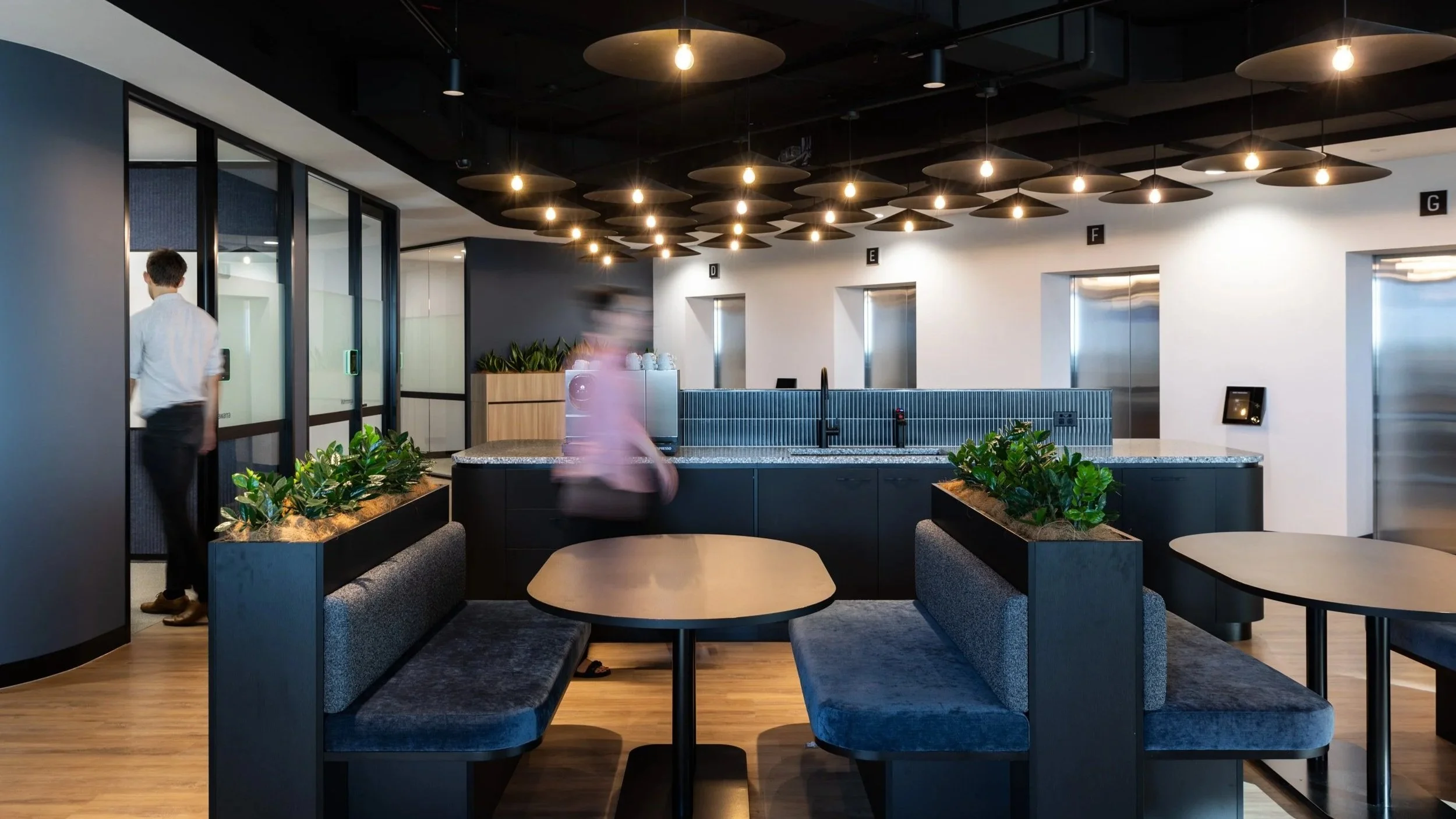
Cafe area with adjoining meeting rooms and quiet booths provides spatial diversity in Novo Nordisk’s North Sydney Office.
Designing for Common Ground
While much of the generational conversation focuses on differences, design reveals the shared human needs beneath them. Across age groups, employees consistently value
A sense of belonging
The ability to focus without distraction
Access to natural light and greenery
Flexibility and autonomy
A culture of wellbeing and inclusion
Workplaces that prioritise these fundamentals naturally reduce tension and increase engagement. In this way, good design is generationally neutral yet emotionally intelligent, creating spaces that support everyone equally
Looking Ahead
As Gen Z continues to enter the workforce and Baby Boomers extend their careers, workplaces will become even more generationally diverse. Future employees will expect hybrid flexibility, emotional comfort, and digital fluency as baseline features rather than as perks
By balancing structure with freedom, technology with tactility, and privacy with connection, workplaces can transform potential friction into collaboration. Ultimately, bridging generational differences is not about designing for age, it is about designing for people. And this is where the workplace of the future truly begins
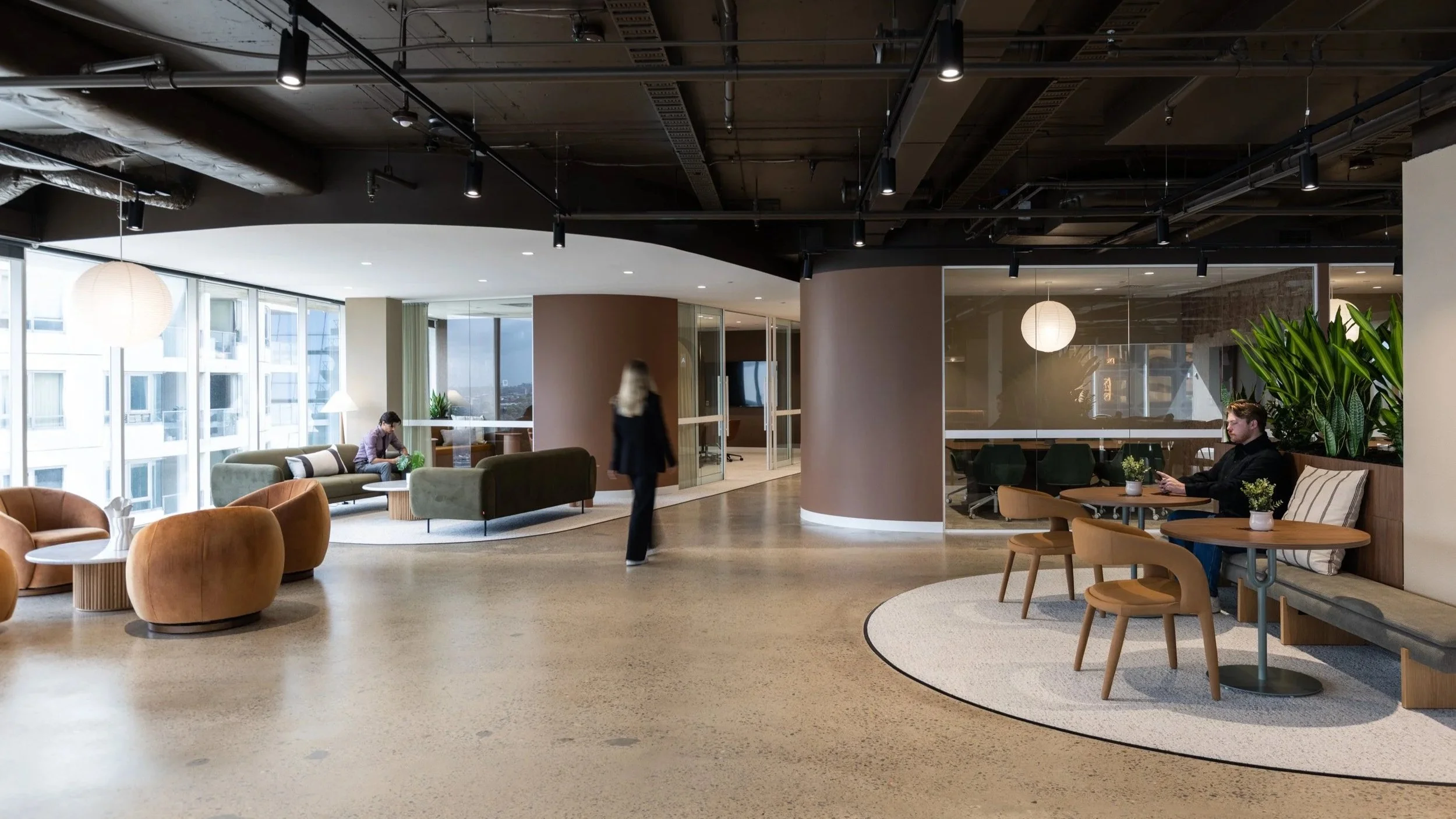
Sheldon’s full floor fitout at 65 Berry St in North Sydney
References
Deloitte. (2025). 2025 Gen Z and millennial survey. Retrieved from https://www.deloitte.com/global/en/issues/work/genz-millennial-survey.html
Deloitte. (2024). Global workplace survey 2024. Retrieved from https://www.deloitte.com/global/en/insights/topics/talent/global-workplace-survey-2024.html
Spacestor. (2024). Designing workspaces for a multi-generational team. Retrieved from https://spacestor.com/en-us/insights/industry-trends/designing-workspaces-for-a-multi-generational-team/
Work Design Magazine. (2025). Announcing the 2025 next work environment competition winners. Retrieved from https://www.workdesign.com/2025/10/2025-next-work-environment-competition-winners/